Uncover the Beauty of Modern Roof Lanterns: Design Developments for 2026
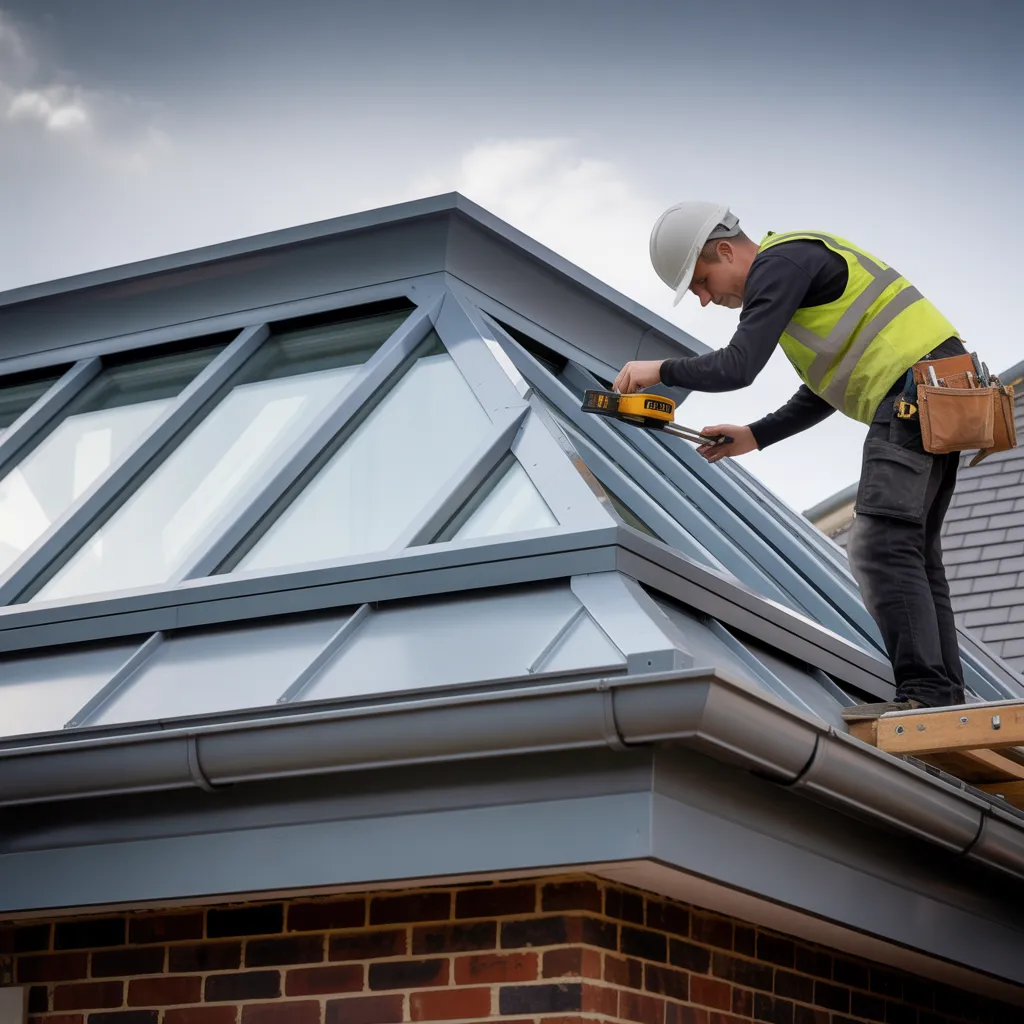
In 2026, contemporary roof lanterns are revolutionizing design standards. Their polished geometric silhouettes and adaptable design features provide both usefulness and visual charm, captivating present-day aesthetic preferences. Sustainable materials have become commonplace, stressing environmental stewardship merged with grace. State-of-the-art glass systems boost ambient brightness while ensuring climate control. When these components unite, they build comfortable living areas that showcase an devotion to ecological preservation and visual elegance. What makes these lanterns indispensable to contemporary dwellings?
The Advantages of Putting In a Up-to-Date Roof Lantern
A modern roof lantern acts as an impressive architectural element that enhances both aesthetics and functionality. By permitting natural light to pour into a space, it substantially enhances the atmosphere of interiors, creating a bright and inviting environment. This inflow of natural light can reduce the reliance on artificial lighting, thereby advancing energy efficiency and potentially lowering electricity bills.
Additionally, roof lanterns can regulate interior conditions, facilitating enhanced ventilation and air movement. This may create a more enjoyable home space throughout the year. Their varied styles can harmonize with numerous design styles, making them appropriate for both contemporary and traditional homes.
In addition, a roof lantern can provide a unique focal point, drawing attention and adding visual interest to any room. Overall, the installation of a modern roof lantern not only enhances the visual beauty of a home but also enhances its practicality and energy efficiency, making it a worthwhile investment.
Trending Roof Lantern Materials in 2026
In 2026, the selection of materials for modern roof lanterns demonstrates a combination of innovation and sustainability. Architects and designers increasingly prefer eco-friendly alternatives, such as recycled aluminum and responsibly harvested timber. These substances not only minimize ecological footprint but also offer a contemporary aesthetic.
Glass continues as a popular choice, with breakthroughs in energy-efficient glazing technology enabling superior insulation and ultraviolet protection. This gives homeowners to enjoy natural light while decreasing energy consumption.
Moreover, composite materials are picking up steam, matching the durability of synthetic substances with the visual appeal of natural finishes. This trend satisfies both functional and aesthetic needs, ensuring durability without diminishing style.
In the final analysis, the materials determined for roof lanterns in 2026 prioritize both operational excellence and appearance, establishing beautiful, sustainable solutions that upgrade living spaces while meeting modern green benchmarks.

Unique Roof Lantern Styles to Improve Your Indoor and Outdoor Spaces
Roof lantern varieties showcase a synthesis of cutting-edge and classic aesthetics that can greatly elevate interiors and exteriors. Modern rectilinear treatments present a refined, state-of-the-art look, while Victorian components add a touch of sophistication and allure. Exploring these distinct choices empowers dwellers to enhance their spaces with unique architectural features.
Modern Geometric Designs
Contemporary geometric designs in roof lanterns offer a striking pairing of practicality and aesthetic appeal. These innovative structures often exhibit sharp lines, angular shapes, and minimalist frameworks that create a modern look while maximizing natural light. By incorporating materials such as glass and metal, designers furnish a sleek, sophisticated finish that complements various architectural styles. The interplay of light and shadow through these geometric forms enhances both indoor and outdoor spaces, creating visually engaging environments. In addition, customizable options allow homeowners to select sizes and shapes that fit their specific needs, ensuring that each lantern serves as a unique focal point. Ultimately, contemporary geometric roof lanterns elevate spaces with their stylish designs and practical benefits.
Timeless Victorian Aesthetics
While modern designs rule the market, classic Victorian influences in roof lanterns continue to captivate homeowners seeking to enhance their exteriors and interiors. Distinguished by intricate detailing, decorative frames, and refined glass design, these lanterns evoke a sense of enduring elegance. The use of wrought iron and stained glass is common, reflecting the craftsmanship of the Victorian era. Homeowners value how these designs produce a prominent centerpiece while allowing natural light to fill spaces. In both traditional and contemporary settings, Victorian-style lanterns effortlessly blend history with modernity, providing a unique aesthetic that complements diverse architectural styles. As the design landscape evolves, the lasting popularity of traditional Victorian elements remains a notable trend in roof lantern choices.
Selecting the Optimal Roof Lantern for Your Home?
When choosing the ideal skylight for a house, homeowners should evaluate both visual beauty and practical advantages. The style should complement the architectural style of the residence, whether it be contemporary, traditional, or somewhere in between. Size is another vital factor; the lantern should adequately suit the space to maximize natural light without dominating the room.
Material options, such as aluminum or wood, can also impact the overall look and durability of the lantern. Homeowners should examine the type of glazing, as options like double or triple glazing can enhance insulation and energy efficiency. Additionally, color and finish should match with existing decor to create a cohesive appearance.
Practical considerations, such as ease of maintenance and installation conditions, are equally necessary. Ultimately, a judiciously selected roof lantern can boost a home's interior while affording lasting practicality and charm.
Eco-Friendly Roof Lantern Integration
Building in sustainable methods into roof lantern design offers homeowners an chance to enhance both visual aesthetics and ecological responsibility. Present-day roof lanterns can be built from green materials such as reclaimed wood and recycled aluminum, minimizing the carbon footprint tied to production. Furthermore, designers are increasingly focusing on energy-efficient glazing that maximizes natural light while reducing heat loss, reducing energy bills.
Also, integrating solar panels into roof lantern designs allows for securing renewable energy, further promoting sustainability. The use of low-VOC paints and finishes provides healthier indoor air quality, resonating with eco-conscious living.
The emphasis on ecological design integration not only elevates the aesthetic value of a home but also aligns with a prevalent trend towards environmentally-friendly living. As homeowners place importance on read guide sustainability, roof lanterns that showcase these tenets will stand out as both aesthetically pleasing and conscientious picks.
Hassle-free Maintenance Suggestions for Your Roof Lantern
Regular maintenance is essential for preserving the aesthetic appeal and performance of roof lanterns. To guarantee ideal performance, it is recommended to wash the glass surfaces regularly using a gentle fabric and a mild cleaning solution. This avoids the buildup of dirt and grime that can obstruct natural light. Additionally, inspecting the seals and gaskets for wear or damage is crucial; changing them quickly can avoid leaks and maintain energy efficiency.
Examining the structure and supporting framework for corrosion or oxidation ensures ongoing durability. If metal components show signs of deterioration, applying a protective coating can increase their lifespan. Moreover, during seasonal cycles, it is prudent to remove debris such as leaves or snow that might collect on the lantern.
Popular Questions Posed Frequently
What Price Range Can You Expect for Modern Roof Lanterns in 2026?
In 2026, the average expenditures of modern roof lanterns vary between $1,500 to $5,000, influenced by factors including size, materials, and design complexity, reflecting the shifting patterns in residential design and aesthetics.
How Do Roof Lanterns Change Your Home's Power Effectiveness?
Roof lanterns enhance home energy efficiency by increasing natural light, decreasing dependence on artificial lighting. Their design can improve ventilation, allowing for better temperature regulation, ultimately contributing to lower energy consumption and more eco-friendly living spaces.
Can skylight installations be added on current roofs?
Roof lanterns can be placed on current roof structures, if structural integrity is assessed. Correct installation validates alignment with your existing roof setup and optimizes daylight while boosting aesthetic appeal and energy efficiency in the dwelling.
What Is the Length of a Up-to-date Roof Lantern's Life?
Modern roof lanterns typically have a working life of 20 to 30 years, subject to materials, maintenance, and elements to environmental factors. Regular maintenance can strengthen durability and performance over time.
Are Roof Lanterns fitting with All Types of Weather Conditions?
Roof lanterns can be suitable for different climates, provided they are properly designed and mounted. Insulation, materials, and drainage considerations are essential to ensure functionality and durability in both intense temperatures and freezing conditions.